Ant infestations can be difficult to control because the ants you see are often only a small portion of a larger colony. Effective treatment starts with identifying the ant species, understanding where activity is occurring and determining where the colony may be nesting or entering the property. NorthPoint Pest Management provides professional ant control for homes, multi-unit properties and businesses throughout Edmonton and surrounding communities. Our Integrated Pest Management approach combines inspection, species identification, targeted treatment, prevention recommendations and follow-up to address active infestations and reduce recurring ant problems.
Treatment starts with understanding which ant species is currently causing the problem.
Control methods are selected according to the species, nest location and property conditions.
Ant management solutions for all homes, apartments, multi-unit and commercial properties.
We identify contributing conditions and evaluate treatment results where follow-up is required.
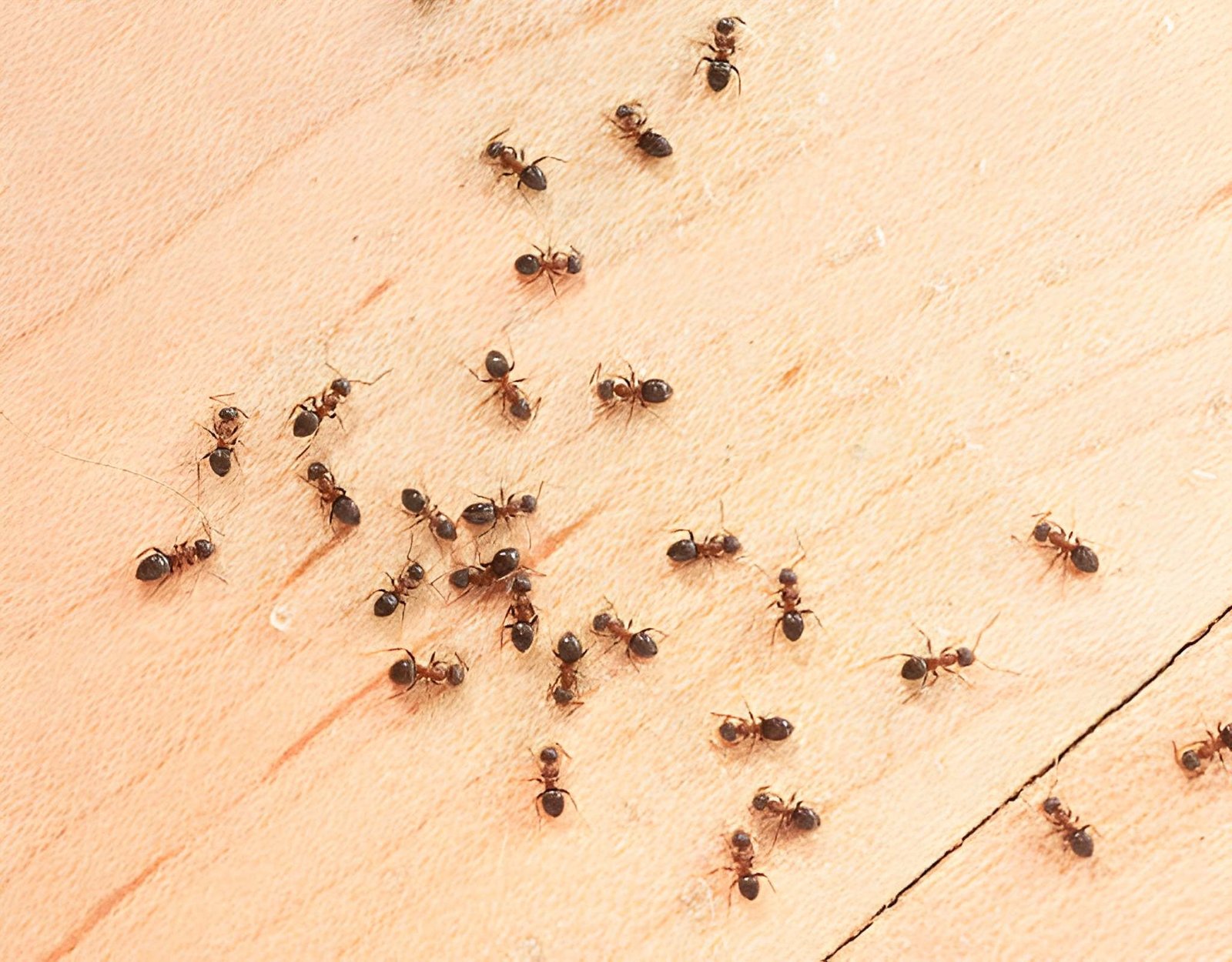
Ants are social insects that live in colonies. The ants seen travelling across a floor, countertop or exterior wall are typically workers searching for food or water and may represent only a small portion of the colony. Different ant species have different nesting habits, food preferences and responses to treatment. For that reason, successful ant control begins with identification and inspection, rather than simply spraying the ants that are visible. NorthPoint evaluates ant activity, trails, potential nesting areas, food and moisture sources, and building entry points before selecting an appropriate control strategy. Depending on the species and site conditions, management may include baiting, targeted nest treatment, crack-and-crevice treatment, exterior treatment, sanitation recommendations, exclusion and follow-up monitoring. Any pesticide used is selected for the pest and application site and applied according to its registered Canadian label. Health Canada likewise emphasizes that ants differ considerably and that control can include physical measures, nest/barrier treatments and baiting depending on the situation.
Carpenter ants are among the largest ants commonly encountered around Alberta properties. They excavate galleries in wood to create nesting space. They do not consume wood as food, but established colonies can damage wood as their galleries expand. Activity indoors may also indicate moisture-damaged or deteriorating wood. Signs can include large ants, winged ants indoors, activity around damp wood and piles of sawdust-like material associated with gallery excavation. Health Canada and Alberta Health Services both identify carpenter ants as potential structural pests and associate them particularly with moist or decaying wood.
Pharaoh ants are tiny yellowish to reddish ants that favour warm, protected indoor locations. They can be particularly troublesome in apartments, food-handling facilities, institutional buildings and other heated structures. Pharaoh-ant control requires special care because disturbing colonies or using inappropriate insecticide sprays can cause colonies to bud, or split into additional nests. Alberta Health Services specifically recommends slow baiting combined with sanitation and warns against insecticidal spraying for pharaoh ants because it can trigger budding.
Pavement ants and several other ant species can nest outdoors around foundations, concrete, lawns and landscaped areas and may enter buildings while searching for food or water. Correct identification helps determine whether the colony should be baited, directly treated, managed from the exterior or addressed through another control method. Health Canada lists pavement, odorous house, little black, thief, carpenter and pharaoh ants among species that can become household or property pests in Canada.
Ant activity may be obvious, but identifying where the colony is located can be more difficult.
Signs that may indicate an ant problem include:
The pattern, location and species of ant activity can provide important clues about where the colony is located and how it should be managed.
Depending on the species, ants may nest outdoors and forage inside a building, or establish colonies within the structure itself.
Common areas of activity include:
For carpenter ants, moisture-damaged wood, window and door frames, porches, wall voids and other structural spaces deserve particular attention.
NorthPoint inspects the property to determine:
⦁ The ant species, where possible
⦁ Areas of greatest activity
⦁ Ant trails and travel routes
⦁ Potential nesting or harbourage locations
⦁ Food and moisture sources
⦁ Possible building entry points
⦁ Conditions that may be supporting the colony
Correct identification is important because different ant species can require very different control strategies.
Treatment is selected according to the ant species, nest location and property conditions.
Depending on the situation, the control program may include:
⦁ Slow-acting ant baits
⦁ Gel or bait-station placement
⦁ Direct nest treatment where appropriate
⦁ Crack-and-crevice treatment
⦁ Void treatment
⦁ Targeted exterior or perimeter treatment
⦁ Other registered ant-control methods appropriate for the site
All pesticide products are used according to their registered Canadian labels.
Treatment is more effective when conditions supporting ant activity are also addressed. NorthPoint may recommend:
⦁ Improving food storage and sanitation
⦁ Repairing moisture or plumbing problems
⦁ Removing deteriorating or moisture-damaged wood
⦁ Sealing appropriate cracks and building penetrations
⦁ Managing vegetation touching the building
⦁ Moving firewood or wood debris away from exterior walls
⦁ Addressing exterior harbourage where practical
Some ant infestations require time for treatments such as baits to reach the colony, and difficult infestations may require more than one visit.
NorthPoint evaluates remaining activity and adjusts the treatment strategy where necessary.
For species such as pharaoh ants, follow-up is particularly important because control may require an extended baiting program rather than a one-time treatment. Alberta Health Services notes that professional pharaoh-ant treatment may require several visits and can take days or weeks.
Pharaoh ants can react to disturbance by splitting an established colony into multiple smaller colonies—a behaviour known as budding.
For this reason, household insecticide sprays can make a pharaoh-ant infestation more difficult to control.
If you are seeing very small yellowish or reddish ants inside an apartment or heated building, avoid indiscriminate spraying until the species has been identified.
Alberta Health Services specifically recommends slow baiting and advises against insecticidal sprays for pharaoh ants because spraying may cause colony budding.
Different ant species behave differently. We begin by identifying the pest and understanding the activity before selecting a control method.
The appropriate treatment for a carpenter ant infestation may be very different from the treatment for pharaoh ants or outdoor nuisance ants.
Our approach combines inspection, targeted treatment, sanitation, moisture management, exclusion and monitoring rather than relying solely on routine spraying.
NorthPoint provides ant management for homes, apartments, multi-unit properties and commercial facilities.
Some colonies and species require ongoing baiting or additional treatment. We evaluate results and adjust the program where necessary.
Reducing access to food, moisture and suitable nesting areas can help reduce ant activity around your property.
Store food and pet food in sealed containers.
Preparation requirements depend on the ant species and treatment method. Before your appointment:
NorthPoint will provide any additional preparation, temporary-vacating or re-entry instructions required for the treatment selected.
Why “don’t spray first” matters
If you’re trying to identify trails and determine where ants are travelling, the customer spraying everything the night before you arrive can make your inspection considerably less useful.
And with suspected pharaoh ants, it can be actively counterproductive.
Ant infestations in apartments and commercial properties can involve multiple units, shared utility pathways, food-handling areas or structural conditions extending beyond the location where ants are first reported.
NorthPoint can support property managers and commercial clients with:
For difficult indoor species such as pharaoh ants, coordinated building-wide management may be more effective than treating individual sightings in isolation.
Killing the ants you can see may not eliminate the colony that is producing them.
A professional inspection can help identify the ant species, determine where activity is concentrated and select an appropriate treatment strategy.
NorthPoint Pest Management provides professional ant control for homes, apartments, multi-unit properties and businesses throughout Edmonton and surrounding communities.
Professional residential and commercial pest management solutions serving Edmonton and surrounding Alberta communities.
Protect your home from cockroaches, ants, rodents, bed bugs, and more with professional Integrated Pest Management and targeted control treatments.
WhatsApp us